
Foreign Buyers in Canada: Budget 2026 Proposes a New-Home Exemption Why Montréal Stands Out
By Yannick Cloutier, for Vistoo | November 12, 2026
Canada's federal budget, presented on November 5, 2026, proposes an exemption from the federal foreign-buyer prohibition for certain newly built residential properties. The measure is not yet in force: its scope, eligibility rules and effective date remain to be confirmed. If implemented, the change could make Montréal and Québec more attractive to international purchasers, especially in light of potential foreign-buyer surtax differences with Toronto and Vancouver.
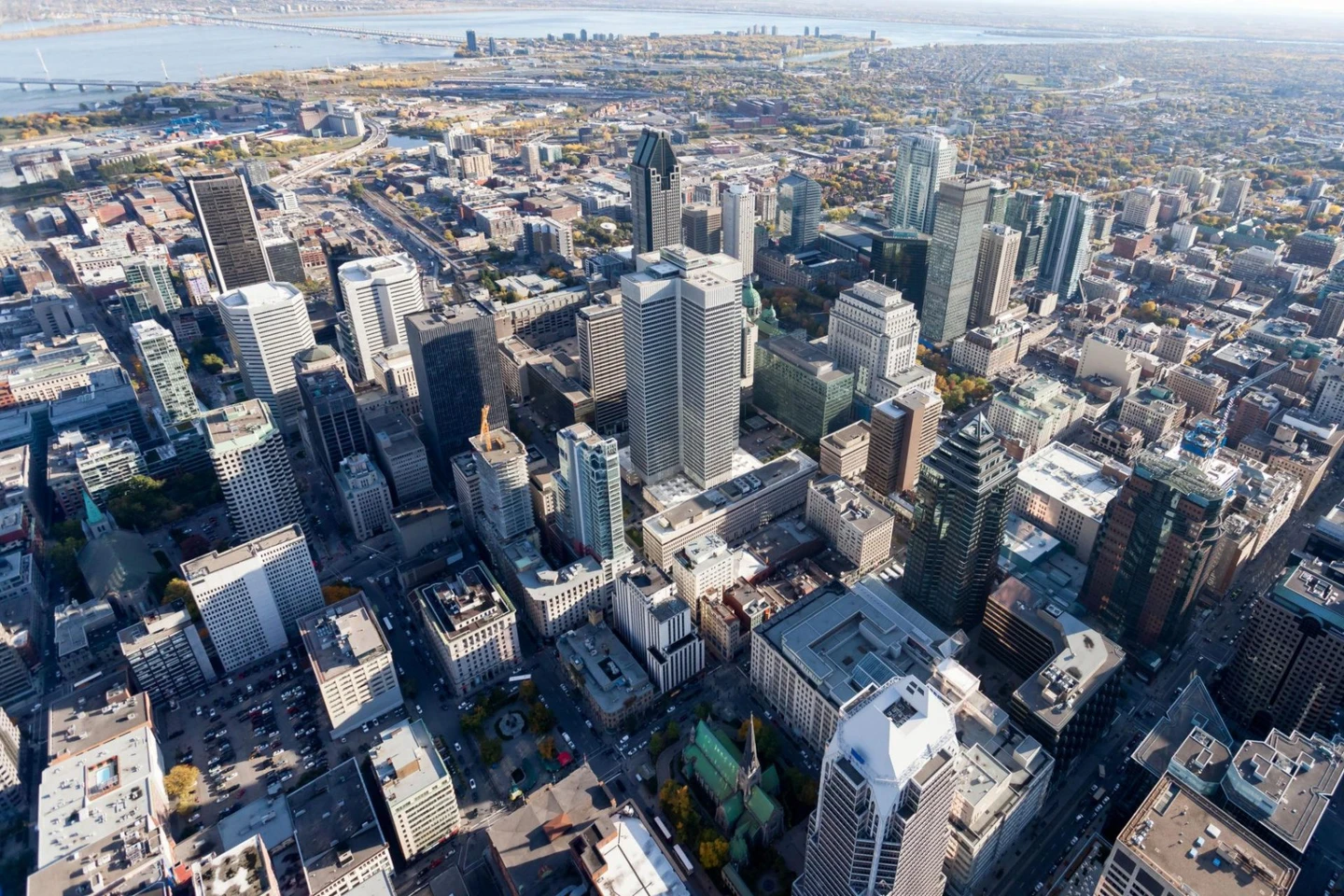
Budget 2026: A Proposed Exemption for Foreign Buyers of Newly Built Homes
Canada's residential property market could be approaching an important policy shift, but a broad new entitlement for non-Canadians to purchase newly built homes has not taken effect.
In its November 5, 2026 federal budget, the Government of Canada proposed amending the prohibition on residential property purchases by non-Canadians to exempt qualifying newly built residential properties. The proposal still requires implementing measures.
At the same time, Ottawa proposes extending the prohibition covering existing and resale residential properties until January 1, 2029.
The proposal distinguishes eligible newly built homes from existing residential properties. The stated aim is to encourage housing construction while maintaining restrictions on foreign purchases of existing homes, subject to the legislation and regulations ultimately adopted.
Important: neither the proposed new-home exemption nor the proposed extension of the existing-home ban to 2029 should be treated as already in force. The definition of a qualifying new home, applicable purchase conditions and commencement date all remain unconfirmed.
For international purchasers, including those living in mainland China, Hong Kong, Singapore and other markets, the announcement creates the prospect of renewed access to Canada's new-home market.
Where they choose to buy, however, could make a substantial difference to the overall cost of their purchase.
Montréal, Toronto and Vancouver: Up to $280,000 in Potential Foreign-Buyer Tax Differences
Canada has several major real estate markets, but their tax rules vary considerably.
In addition to the purchase price, some provinces and municipalities impose substantial extra taxes on foreign purchasers who fall within the scope of their legislation.
This is one area in which Montréal and the surrounding metropolitan region stand out.
Québec does not currently impose a general provincial surtax specifically on foreign purchasers of residential real estate. Nor does the City of Montréal impose a comparable municipal foreign-buyer surtax.
By contrast, Ontario levies a 25% Non-Resident Speculation Tax (NRST) on certain residential acquisitions by purchasers covered by that tax. The City of Toronto also imposes a 10% Municipal Non-Resident Speculation Tax (MNRST) where its own statutory criteria are met.
In British Columbia, a 20% additional property transfer tax may apply to qualifying residential acquisitions by foreign buyers in designated areas, including Metro Vancouver, subject to specific exemptions and rules.
Foreign-Buyer Surtax Comparison
|
City |
Additional provincial tax |
Additional municipal tax |
Potential combined rate |
|
Montréal |
0% |
0% |
0% |
|
Vancouver |
20% |
0% |
20% |
|
Toronto |
25% |
10% |
35% |
Illustrative rates for purchasers and transactions actually covered by each regime, subject to applicable exemptions and rebates. Standard land transfer duties, GST/QST and other costs are excluded. New construction is not automatically exempt from provincial foreign-buyer surtaxes.
Example: A Home Priced at CAD $800,000
Illustrative scenario: a foreign buyer is fully subject to the relevant surtaxes, qualifies for no exemption, and acquires a 100% taxable residential interest valued at CAD $800,000.
|
City |
Additional foreign-buyer surtaxes |
|
Montréal |
CAD $0 |
|
Vancouver |
CAD $160,000 |
|
Toronto |
CAD $280,000 |
Under these assumptions, the additional foreign-buyer surtax difference could reach CAD $160,000 between Montréal and Vancouver or CAD $280,000 between Montréal and Toronto. This is neither a comparison of real estate prices nor a calculation of total closing costs.
Important clarification for Vancouver: British Columbia's 20% additional property transfer tax is based on the fair market value of the taxable residential interest acquired, which may differ from the purchase price. The CAD $160,000 example assumes an $800,000 valuation, acquisition of a 100% taxable interest and no exemption. Special rules may apply to some pre-sale transactions and registration dates.
Important clarification for Toronto: the CAD $280,000 example assumes that Ontario's 25% NRST and Toronto's 10% MNRST both apply in full. Ownership arrangements, co-purchasers, statutory criteria and available exemptions can affect the actual amount payable.
This comparison does not mean that every home in Montréal costs less than a comparable property in Toronto or Vancouver. Purchase prices, sales taxes, regular land transfer duties and ongoing ownership costs must also be considered.
It does, however, highlight an important distinction: the absence of a general foreign-buyer surtax in Québec can represent a substantial potential financial advantage.
Provincial and municipal foreign-buyer taxes are separate from the federal purchase prohibition. Their application to a newly built home, an off-plan unit or a purchase made following any federal reform must be reviewed on a transaction-by-transaction basis.
Why Montréal and Québec Are Worth a Closer Look
Beyond taxation, Montréal offers several attributes that may appeal to international homebuyers.
As Canada's second-largest metropolitan area, Montréal combines a North American setting, a distinctive French-speaking culture, respected universities and well-established international communities.
The region offers a range of new residential developments, from urban condominiums to townhomes and detached houses in established or emerging neighbourhoods.
For families hoping to live closer to relatives already in Canada, individuals considering a future move, or buyers interested in long-term property ownership, these factors may influence where they decide to purchase.
The Montréal region also has an expanding public transit network, including the Réseau express métropolitain (REM), which connects several parts of the metropolitan area and the South Shore.
Established Chinese and other Asian communities throughout Greater Montréal may be another consideration for buyers wishing to maintain cultural, linguistic and family connections.
Brossard, La Prairie and Candiac: Residential Communities to Explore
Brossard
Located on Montréal's South Shore, Brossard is known for its multicultural character, shopping and services, residential neighbourhoods and access to the REM. It is an area worth exploring for buyers interested in new condominiums, detached homes and townhouses.
La Prairie
La Prairie offers residential neighbourhoods, green spaces, family-oriented communities and access to major transportation routes across Greater Montréal. Its new developments provide options for buyers seeking additional living space.
Candiac
Candiac is known for its residential neighbourhoods, green spaces and nearby amenities. It is among the South Shore municipalities where buyers can explore a variety of newly built homes.
Together, these three communities illustrate the range of residential opportunities available around Montréal.
To explore current opportunities, see the new-home listings in Brossard and other residential developments featured on Vistoo. Availability and pricing should always be confirmed with the developer.
Browse new-home developments in Brossard.
Which Types of New Homes Will Foreign Buyers Be Able to Purchase?
Budget 2026 proposes an exemption for certain newly built residential properties and also proposes extending the restriction on existing and resale homes until January 1, 2029. Neither the definitive scope nor the effective date of these proposed changes has been confirmed.
The distinction matters.
Depending on the definitions and conditions ultimately adopted, the exemption could cover certain newly constructed detached houses, townhomes and condominium units.
Several questions still require official clarification:
- Whether and under what conditions pre-construction and off-plan purchases will qualify.
- How completed but never-occupied homes will be treated.
- What rules will apply to purchases by individuals, joint buyers or corporations.
- The precise date on which the new provisions will take effect.
Foreign buyers should therefore not assume that every newly built home is already available for purchase under the announced exemption.
The proposed reform must first be implemented before the full scope of the new purchasing opportunities can be confirmed.
GST, QST and Tax Rebates: What Foreign Buyers Need to Know
Buying a newly built home in Québec may involve additional taxes and expenses, including the Goods and Services Tax (GST), Québec Sales Tax (QST), real estate transfer duties and notarial fees.
Certain rebate programs may reduce these costs, but eligibility depends on the buyer's status and circumstances.
The First-Time Home Buyers' GST Rebate of Up to $50,000
The federal First-Time Home Buyers' GST/HST Rebate for qualifying new homes is a separate program from the rules governing foreign purchasers.
The rebate may reach CAD $50,000 for a qualifying home priced up to CAD $1 million and phases out for eligible homes priced between CAD $1 million and CAD $1.5 million, subject to the program's requirements.
Important: this program requires, among other conditions, that the applicant be a Canadian citizen or permanent resident, qualify as a first-time homebuyer and meet principal-residence requirements. Being permitted to purchase a new home under a future federal exemption would not automatically make a foreign buyer eligible for this rebate.
Other GST or QST rebate programs may be available depending on the property's use and the buyer's particular situation. Eligibility should be assessed individually.
Real Estate Transfer Duties
In Québec, real estate transfer duties often referred to as the welcome tax (taxe de bienvenue) are generally payable when a property is acquired.
They should not be confused with a surtax imposed specifically on foreign buyers.
Any first-time-buyer assistance or relief measures have their own eligibility requirements and should not be assumed to apply automatically to non-residents.
Buying a New Home in Canada: Essential Legal Checks
Before purchasing a newly built residential property in Canada, an international buyer should carefully review several legal and financial matters.
Eligibility to purchase. The exemption discussed in Budget 2026 is a proposal, not an enacted right. The final rules must clarify the definition of an eligible newly built home, never-occupied units, pre-construction agreements and purchases by individuals or corporations. No effective date has been announced.
Buyer status and ownership structure. Rules may differ when a property is purchased by an individual, multiple co-owners or a corporation. Citizenship, permanent-resident status and tax residency are distinct concepts. In Ontario, for example, the participation of a foreign buyer in certain joint purchases can cause provincial surtax to apply to the property's full value, subject to the relevant rules and exemptions.
Taxes and transaction costs. Foreign-buyer surtaxes, regular transfer duties, sales taxes and any available rebates should be verified based on the province, municipality and specific transaction. Exemptions may apply in certain circumstances.
Financing and source of funds. Financial institutions and professionals involved in a transaction may require identification and documentation showing the source of funds. Buyers must also comply with the laws of their home country governing international transfers.
Pre-construction and off-plan contracts. Before signing, buyers should review deposit requirements, anticipated completion dates, changes to the project, termination rights and other contractual obligations. Applicable protections vary by province and property type.
Rental income and tax obligations. A property owner who is a non-resident for Canadian income-tax purposes and receives rent from Canadian real estate is generally subject to a 25% withholding tax on gross rent. If Form NR6 is approved in advance, withholding may in certain circumstances be based on estimated net rental income; filing obligations, including those under section 216, still apply.
Annual costs and future resale. Property taxes, any applicable local vacant-home taxes and the tax consequences of a future sale should also be assessed. Obligations can differ for Canadian tax residents and non-residents.
International buyers are encouraged to consult a Québec notary or Canadian real estate lawyer, together with a tax adviser experienced in cross-border property transactions, before committing to a purchase.
Buying Property in Canada Does Not Automatically Grant Immigration Status
The right to acquire real estate and the right to live in Canada are two separate legal matters.
Even if the new rules eventually allow more foreign buyers to purchase newly built homes, buying property will not automatically provide a visa, permanent-resident status or Canadian citizenship.
Anyone wishing to settle in Canada must follow the immigration procedures applicable to their circumstances.
International buyers should also consider lending requirements, source-of-funds verification, mortgage availability and restrictions on international capital transfers.
For buyers living in mainland China, Chinese regulations governing foreign-exchange transactions and outbound transfers may also affect the feasibility of a purchase.
A New Opportunity for Homebuyers and Developers
The federal announcement could reshape the outlook for Canada's residential construction market.
For developers, the proposed opening could make it possible to present eligible new-home projects to a broader international audience.
For purchasers, it could create more opportunities to discover and compare newly built homes across Canada.
Montréal and Québec have a distinguishing feature in this evolving landscape: the absence of a general surtax specifically targeting foreign residential purchasers, unlike certain other major Canadian markets.
The ultimate impact will nevertheless depend on the final regulations, financing conditions, actual demand and broader real estate market trends.
Vistoo: Discover New Residential Developments in Montréal and Québec
As the real estate market evolves, access to clear information and well-presented residential projects becomes increasingly important.
Vistoo.com is an online platform specializing in the discovery of new residential developments in Québec.
Available in French, English, Spanish and Chinese, Vistoo helps local and international buyers explore developments, compare property types and discover neighbourhoods that meet their needs.
Readers interested in Montréal, Brossard, La Prairie, Candiac and other Québec communities can explore new developments already listed on Vistoo and follow foreign-buyer policy updates. The eligibility of any specific purchase must be checked before signing.
Frequently Asked Questions About Foreign Buyers in Canada
Can foreign buyers already purchase any newly built home in Canada?
No. Budget 2026 proposes an exemption for certain newly built homes, but it has not yet taken effect. Existing exceptions under the current federal rules must be assessed separately.
When will the new rules take effect?
No official effective date has been announced for the proposed exemption. It would be misleading to present 2027, or February 1, 2027, as a confirmed reopening date.
Why might Montréal be attractive from a tax perspective?
Québec has no general foreign-buyer surtax comparable to Ontario's 25% levy or the 20% tax applied in designated areas of British Columbia. Toronto also imposes a 10% municipal surtax on covered transactions.
Can a foreign buyer claim the $50,000 first-time home buyers' GST rebate?
Not automatically. The federal first-time home buyers' rebate requires, among other conditions, Canadian citizenship or permanent-resident status, first-time buyer eligibility and qualifying principal-residence use.
Does buying a newly built home provide Canadian permanent residency?
No. Property ownership does not confer immigration status.
Can foreign buyers rent out a newly built property they own?
That depends on the property's permitted use, local rental rules and other applicable laws. Owners who are non-residents for Canadian tax purposes may also have special reporting and withholding obligations.
Official Sources and Legal Analysis
- Government of Canada Federal Budget 2026
- Government of Ontario Non-Resident Speculation Tax
- City of Toronto Municipal Land Transfer Tax and Related Fees
- Government of British Columbia Property Transfer Tax
- Canada Revenue Agency First-Time Home Buyers' GST/HST Rebate Eligibility
- Canada Revenue Agency Rental Income of Non-Residents
Additional legal analysis Fasken: proposed extension and proposed exemption for new homes.
Published and updated by Vistoo on November 12, 2026. This article discusses a proposal in Canada's 2026 federal budget and tax regimes in effect at the time of updating. The proposed federal amendments to the foreign-buyer prohibition are not yet in force. Illustrations are conditional on statutory criteria and exemptions and do not constitute legal, tax, financial or investment advice. Verify current law and consult an adviser before any transaction.
About the Author
Yannick
Cloutier
Yannick Cloutier is a Québec-based real estate professional and entrepreneur involved in the development of Vistoo, a platform specializing in new residential developments. His interests include real estate market trends, property technology and opportunities emerging for international buyers.